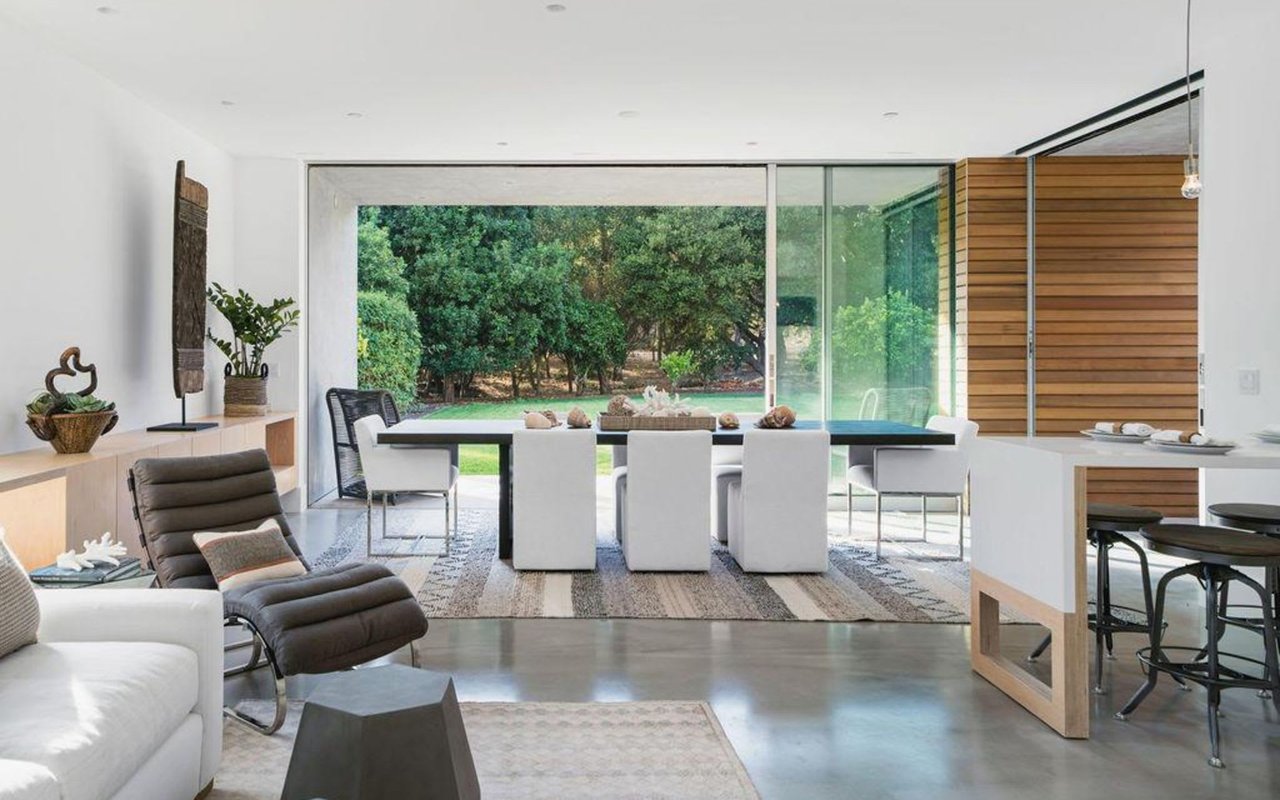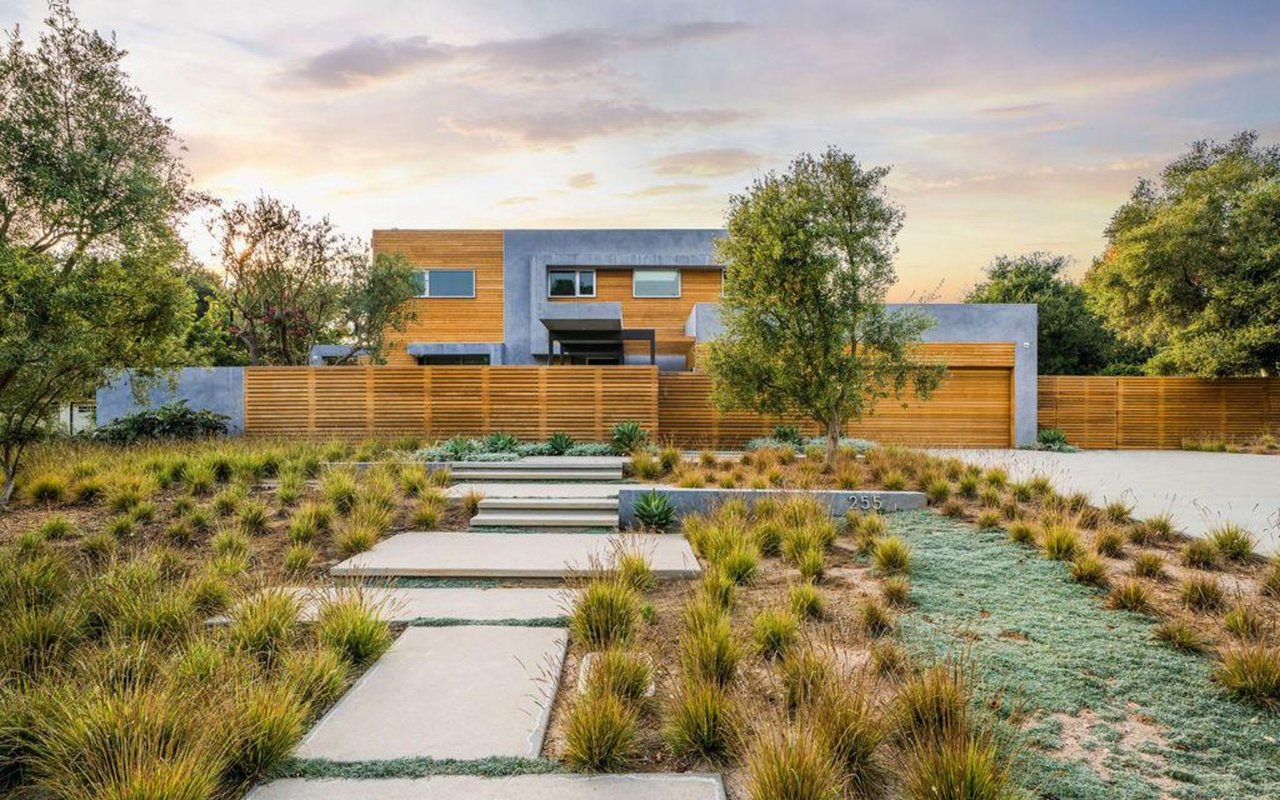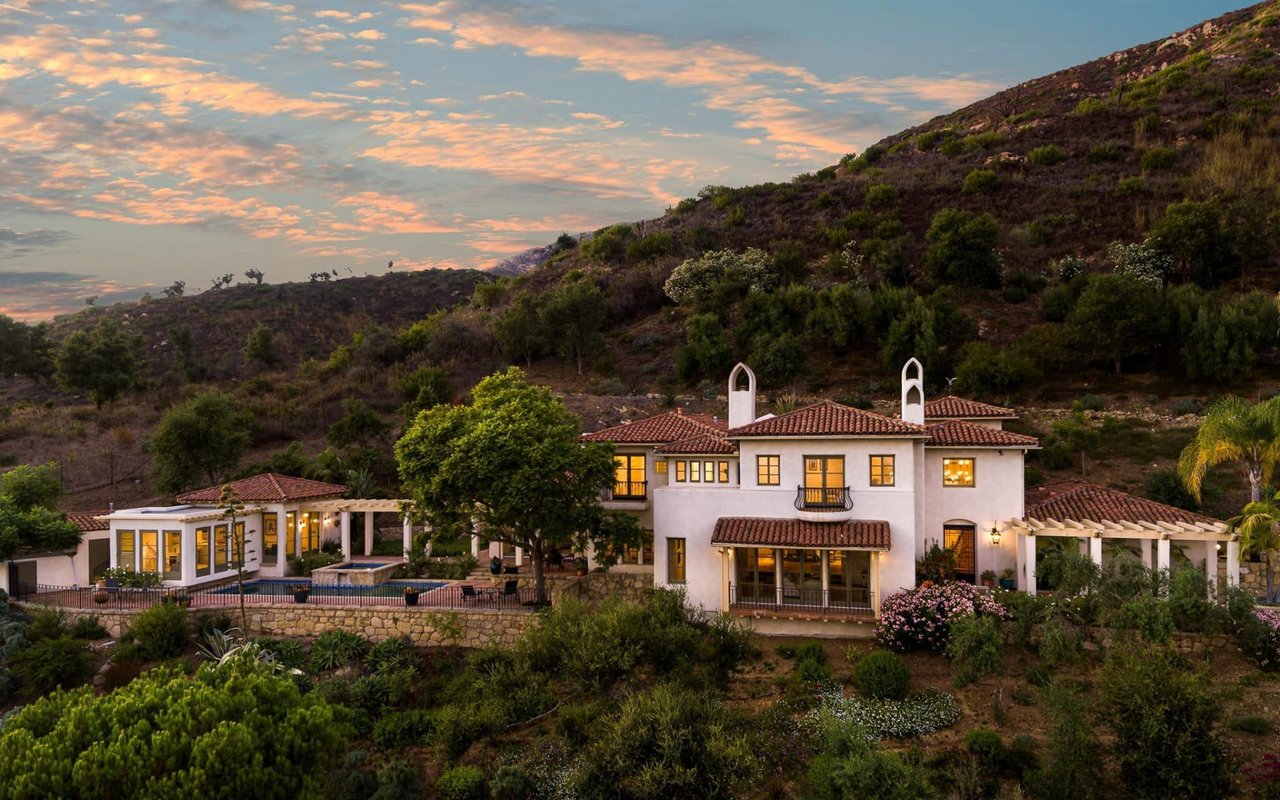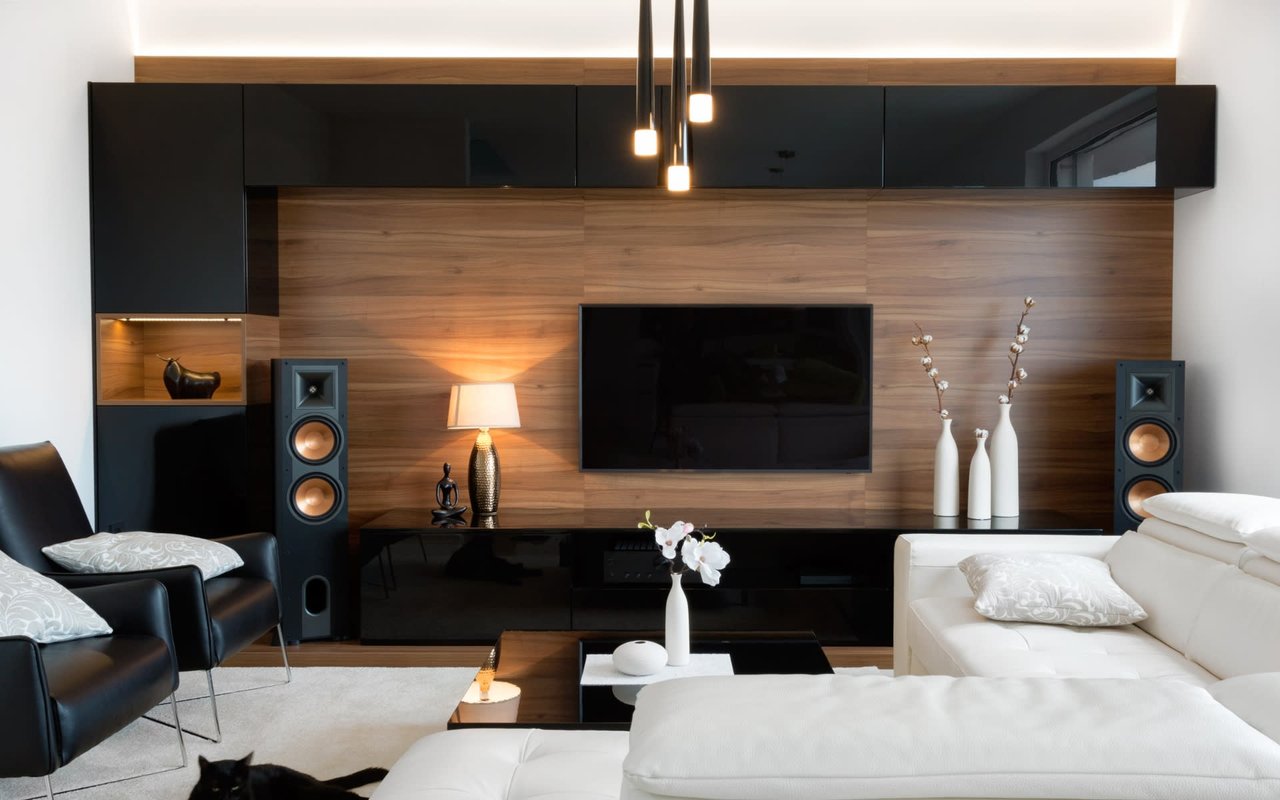
Choosing between Montecito’s beachside and hillside settings is not just about views. It is about how you want your days to feel, what kind of home environment suits you best, and which tradeoffs you are comfortable making. If you are weighing the coast against the foothills, this guide will help you compare lifestyle, privacy, convenience, and property considerations in a clear way. Let’s dive in.
Montecito’s layout shapes the choice
Montecito is often talked about as one community, but the County’s Community Plan organizes the planning area into three major sub-areas: Central Urban, Coastal, and Mountain. That framework is helpful because beachside and hillside living sit in very different settings, even within the same market.
The Coastal sub-area lies between Highway 101 and the Pacific Ocean. The Mountain sub-area extends into the Santa Ynez foothills and is defined by steeper terrain, limited public road access, and elevated fire-hazard concerns. Between them, the Central Urban area includes the Village, which the plan identifies as Montecito’s only commercial center.
That means your choice is not simply ocean versus elevation. You are also choosing between two distinct patterns of daily life, access, density, and property stewardship.
Beachside living in Montecito
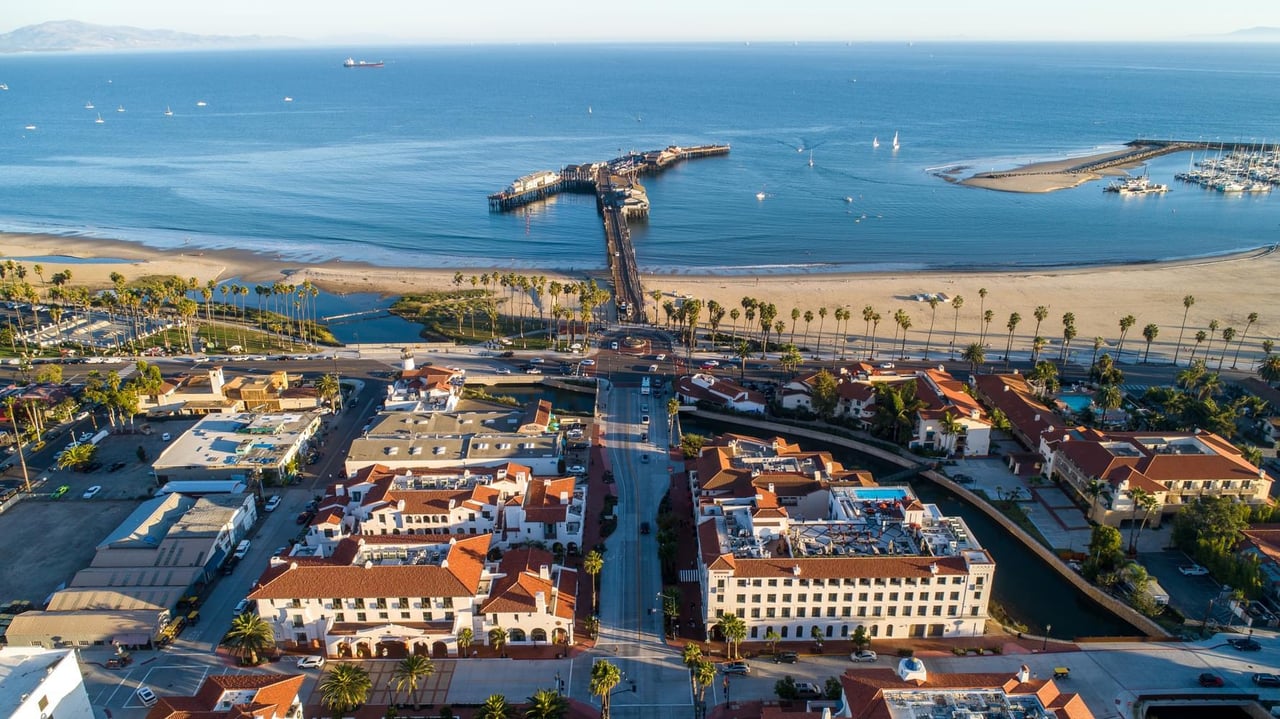
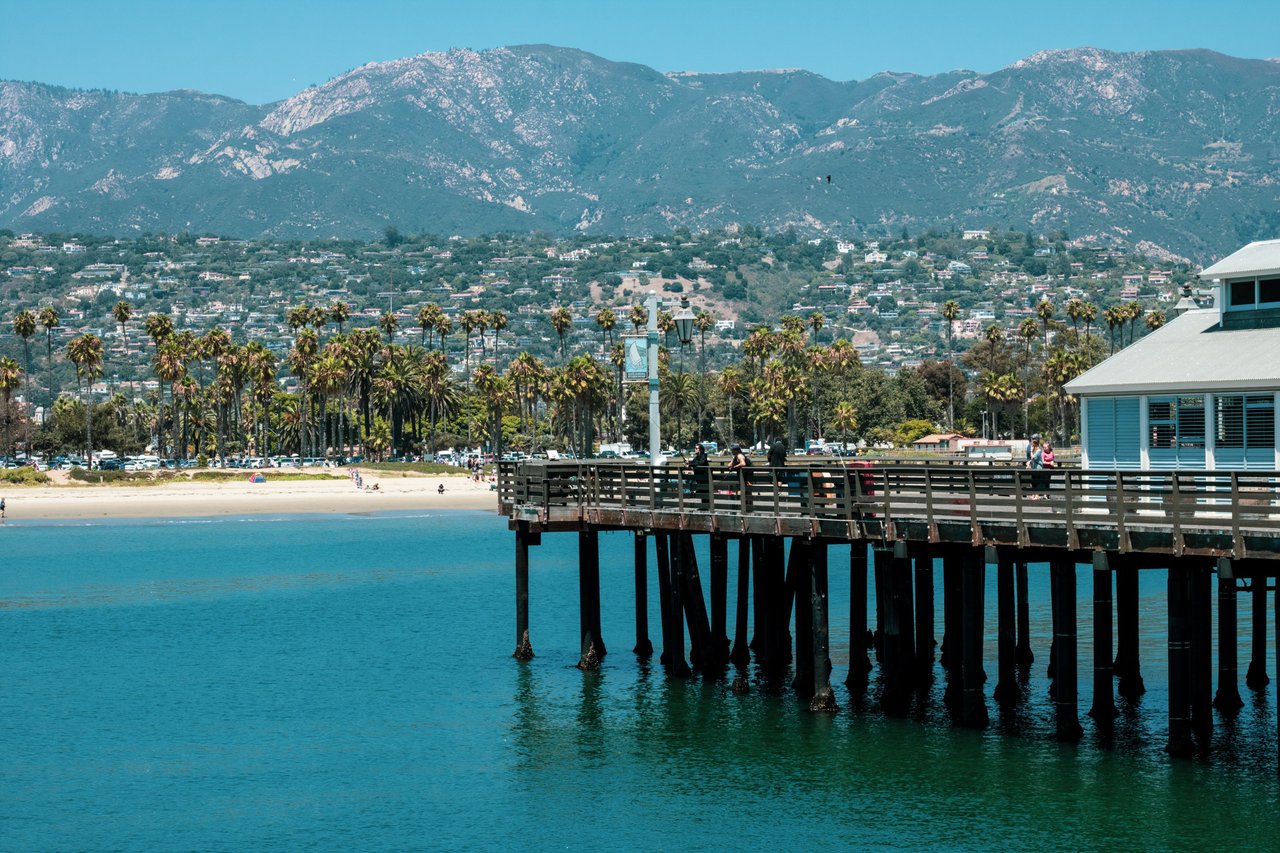
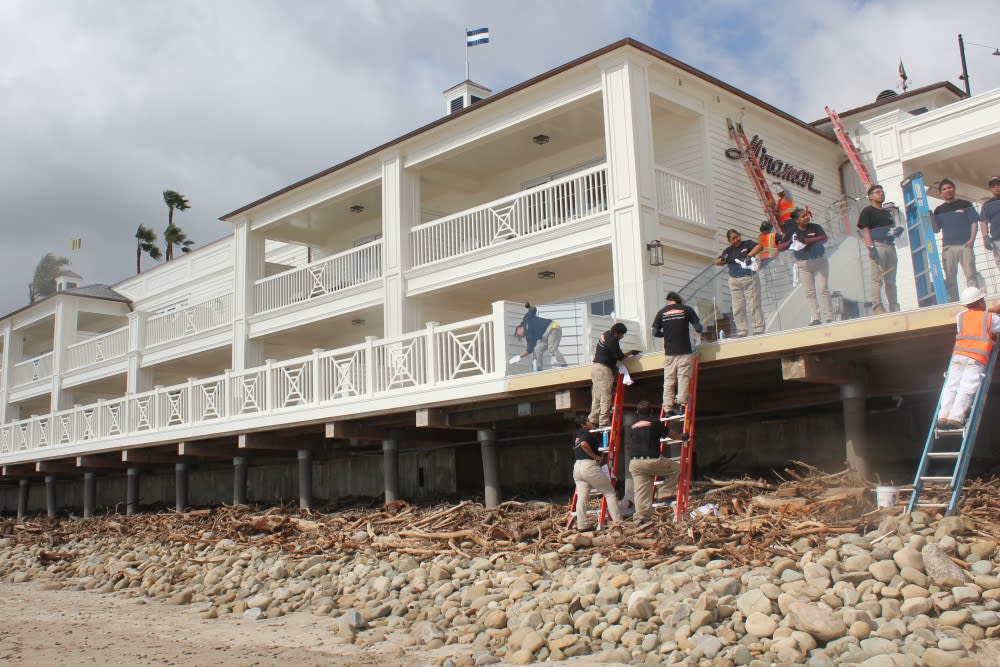
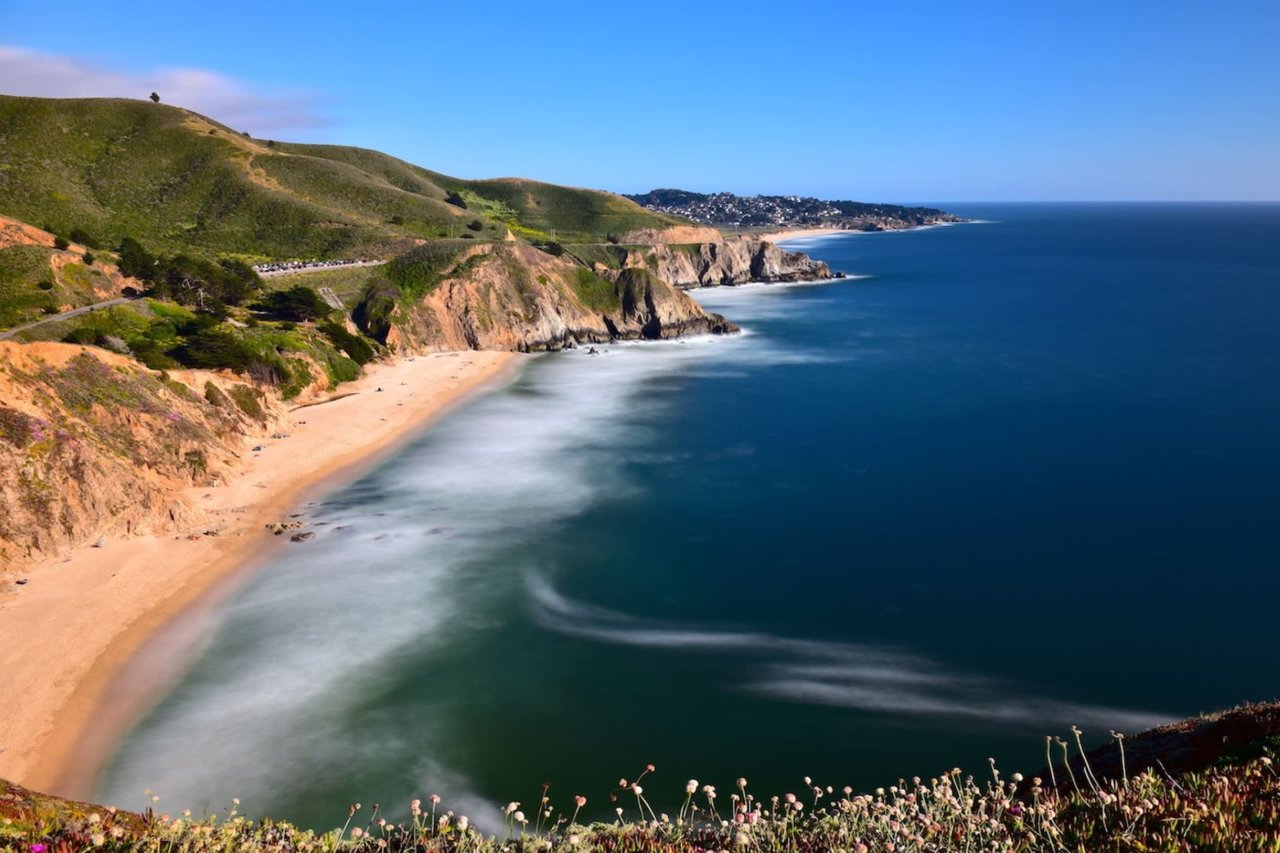
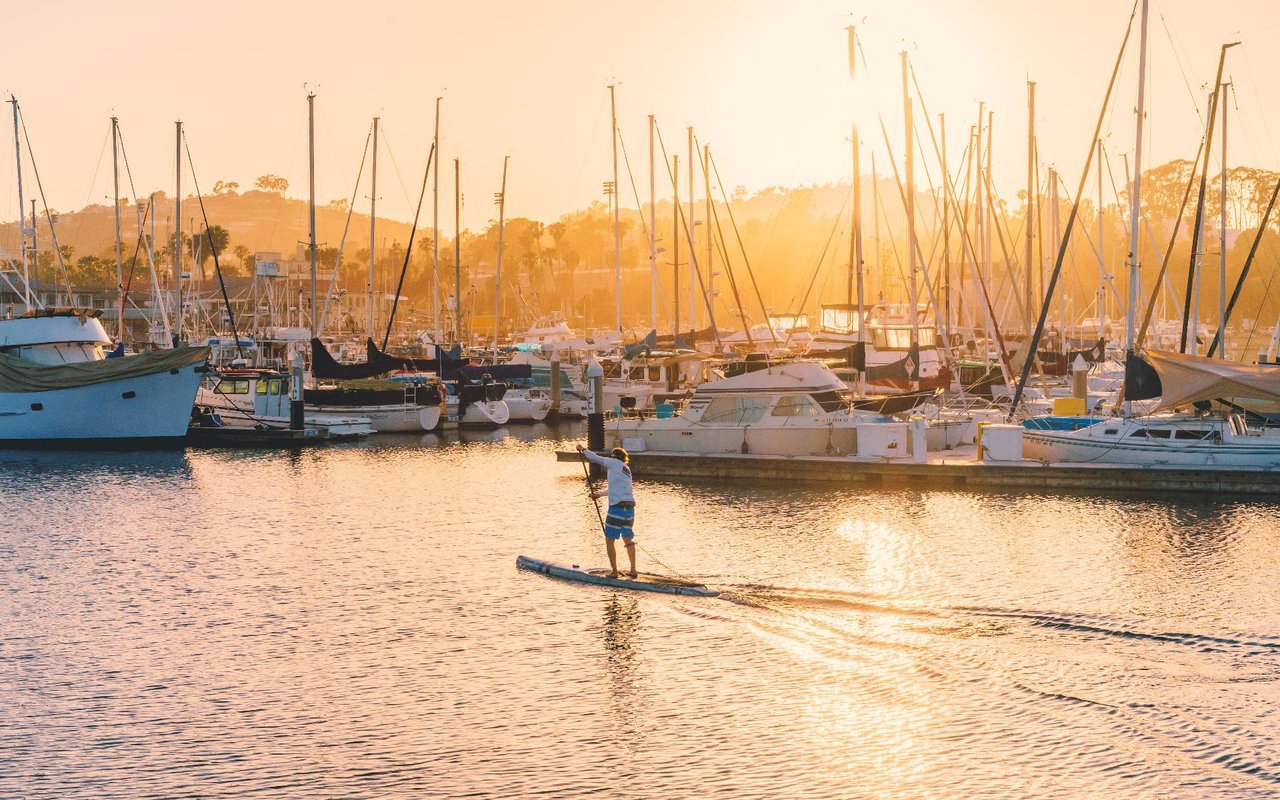
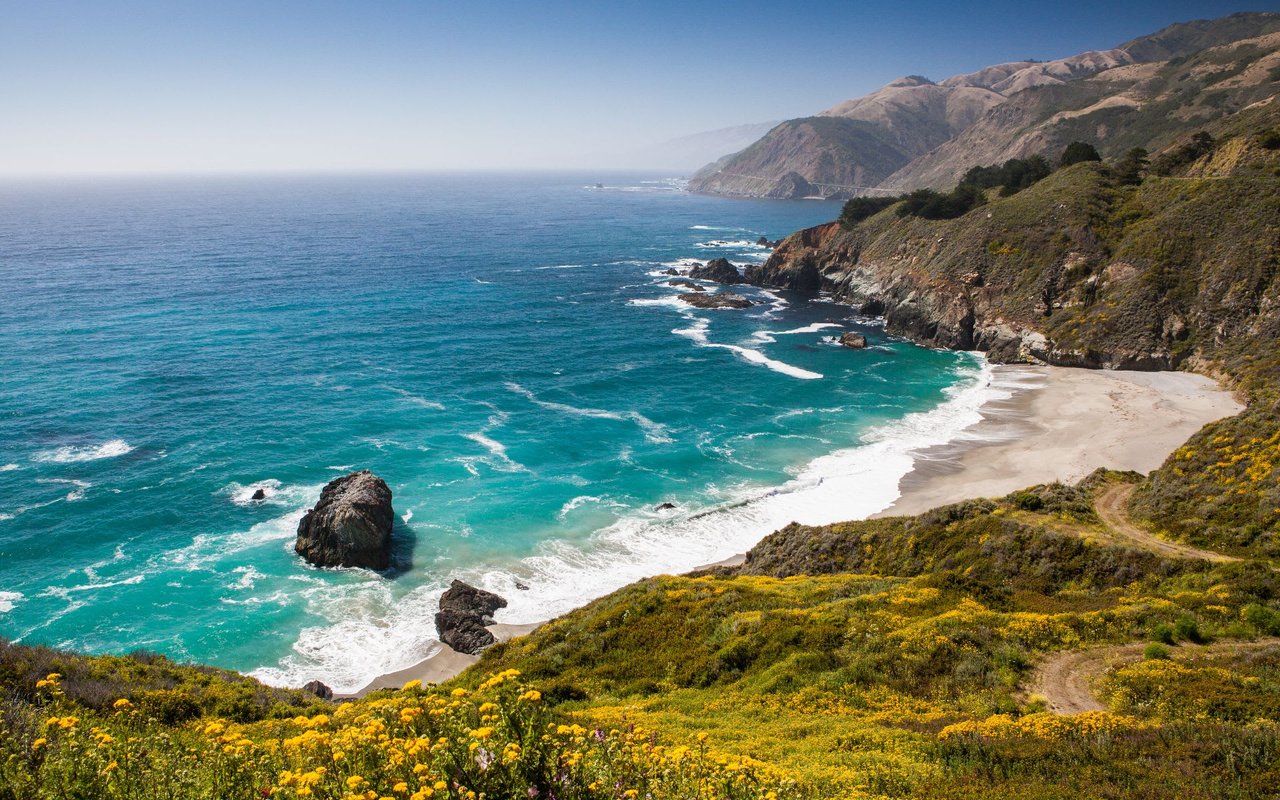
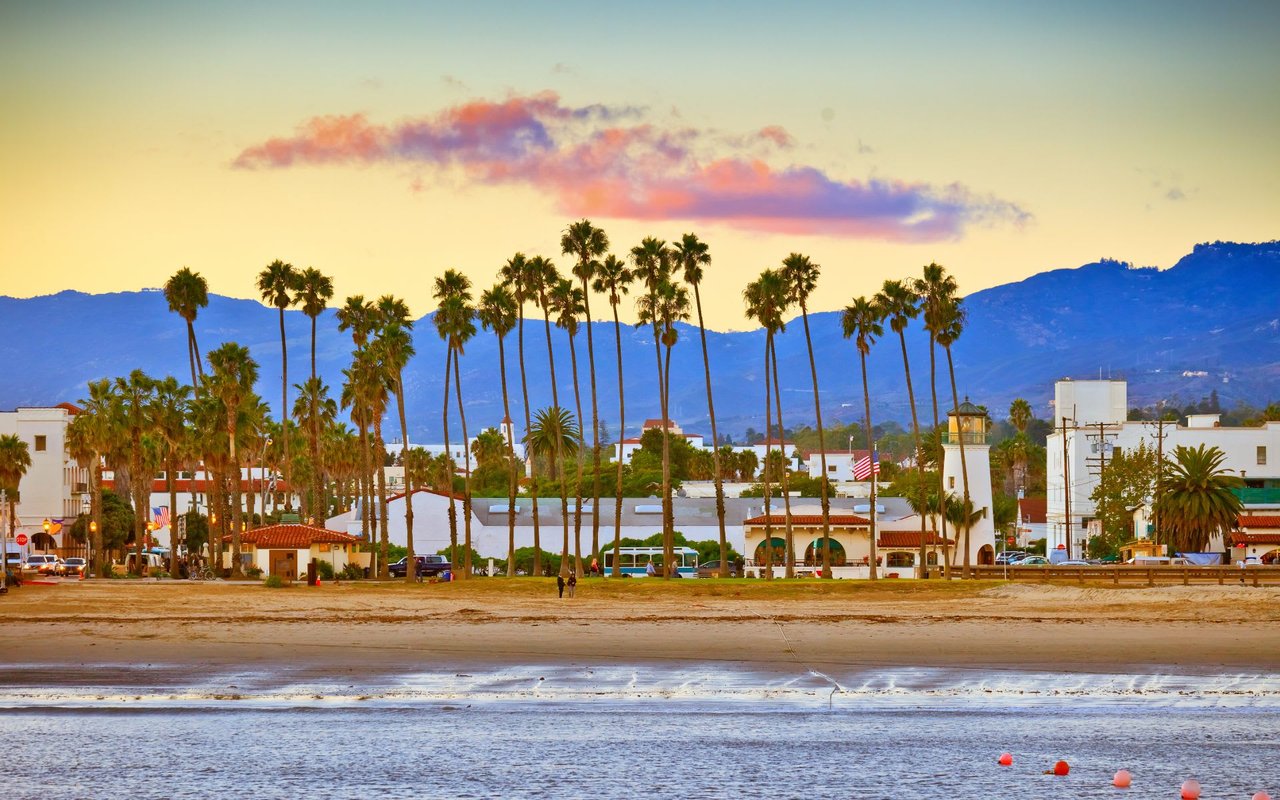
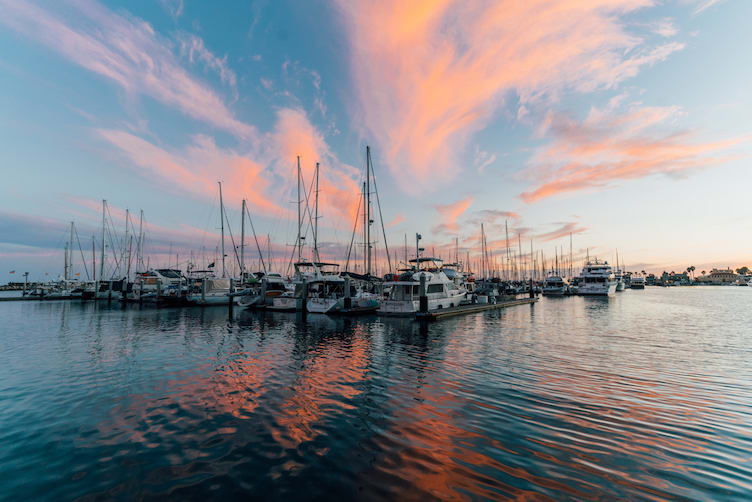
Beachside Montecito is shaped by immediate access to the shoreline and a more connected coastal rhythm. The Coastal sub-area includes residential development immediately above or on the beach, and the area is closely tied to places like Butterfly Beach, Miramar Beach, Hammond’s Beach, and Fernald Point.
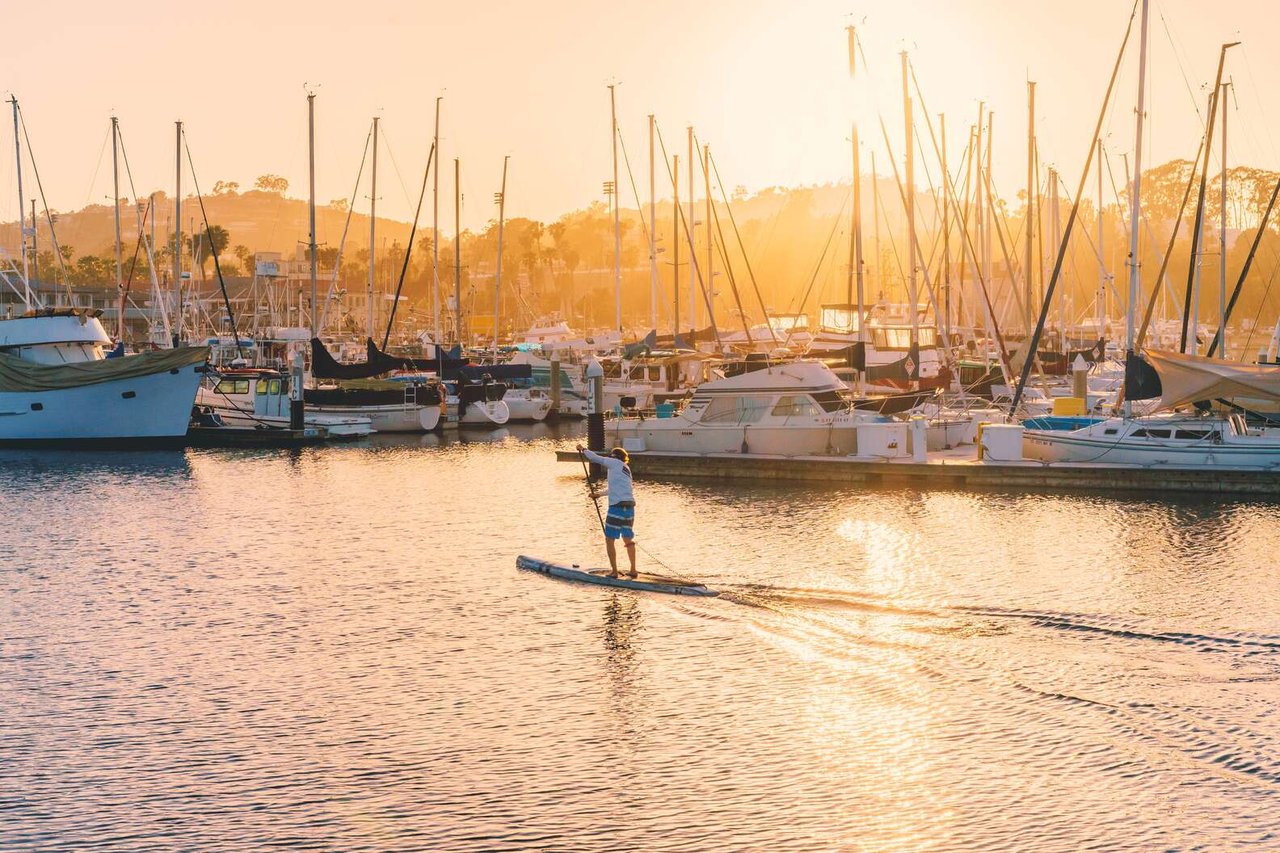
If you picture morning walks near the water, quick beach access, and an easy connection to sunset views, the coast delivers that experience. Public access points identified in the Community Plan include Eucalyptus Lane, Posilipo Lane, Hammond’s Meadow, and Butterfly Beach, which helps make the shoreline part of everyday life rather than a special outing.
The coastal setting also tends to feel more socially connected. You may be closer to Coast Village Road, the Village atmosphere, restaurants, boutiques, and the Friday farmers’ market described by Visit Montecito.
What daily life can feel like near the coast
For many buyers, beachside living means your routine opens outward. You may spend more time walking, dining out, meeting friends nearby, or building beach time into an ordinary weekday.
The coast can also feel more active because it is closer to public access, hospitality uses, and shared outdoor destinations. If you enjoy energy and movement around you, that can be part of the appeal.
Beachside home patterns and density
The County plan describes the coastal housing stock as comparatively dense. In this area, you may find cottages, duplexes, beach-adjacent homes, hotels, and condominium or clustered developments.
That does not mean every coastal property feels compact. It does mean the land-use character is generally more built-up and more exposed to the public realm than the foothills.
Hillside living in Montecito
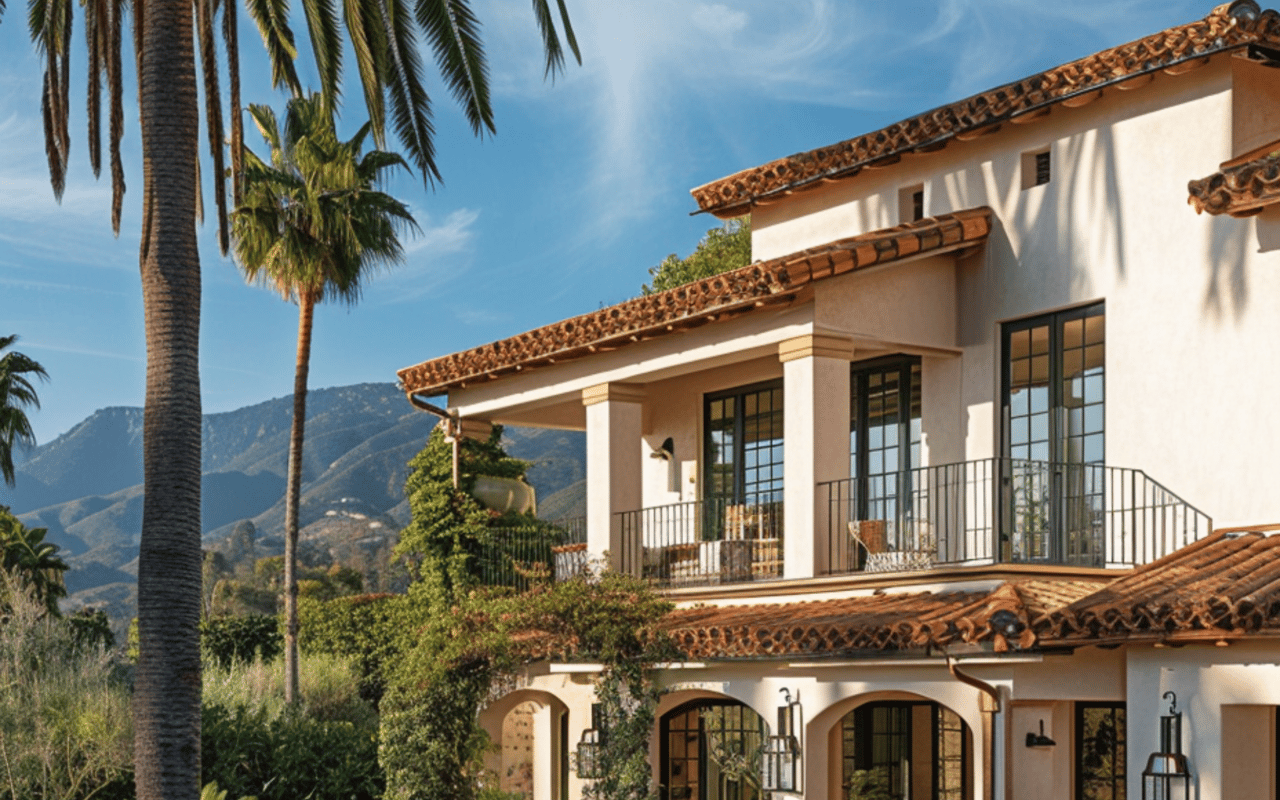
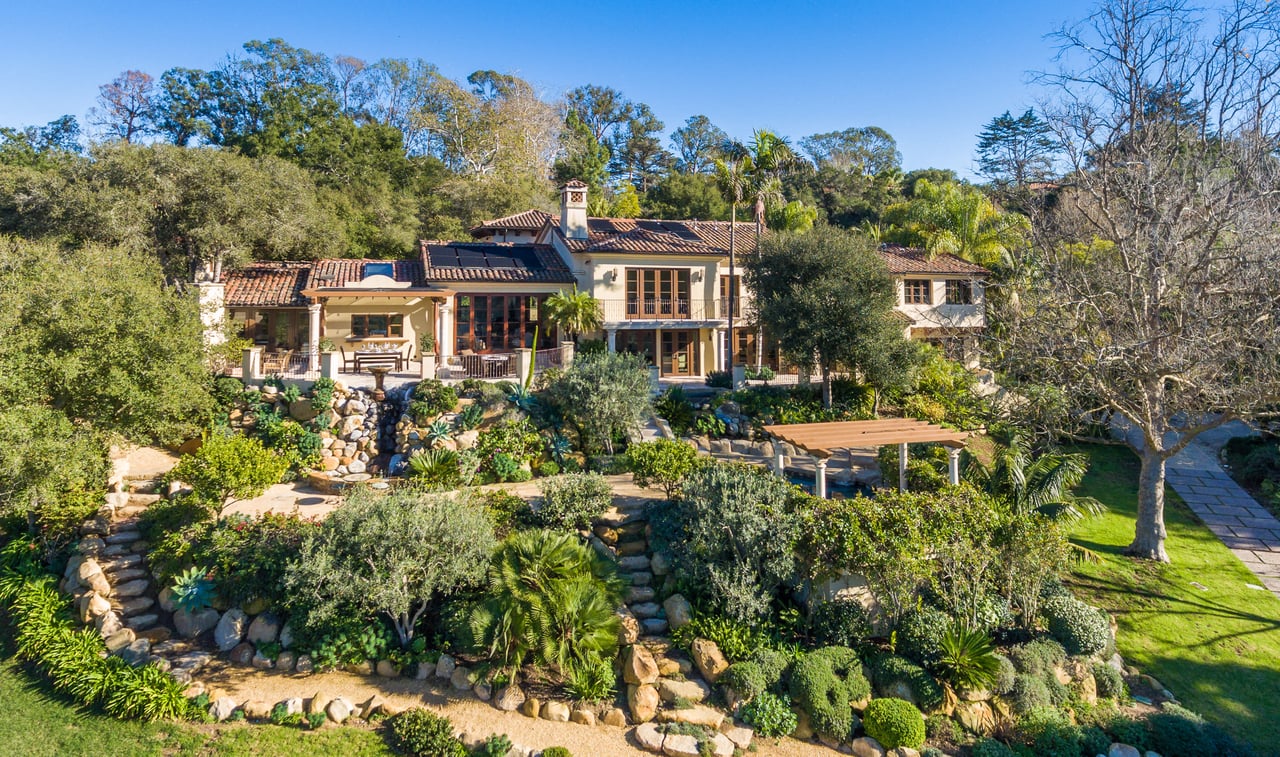
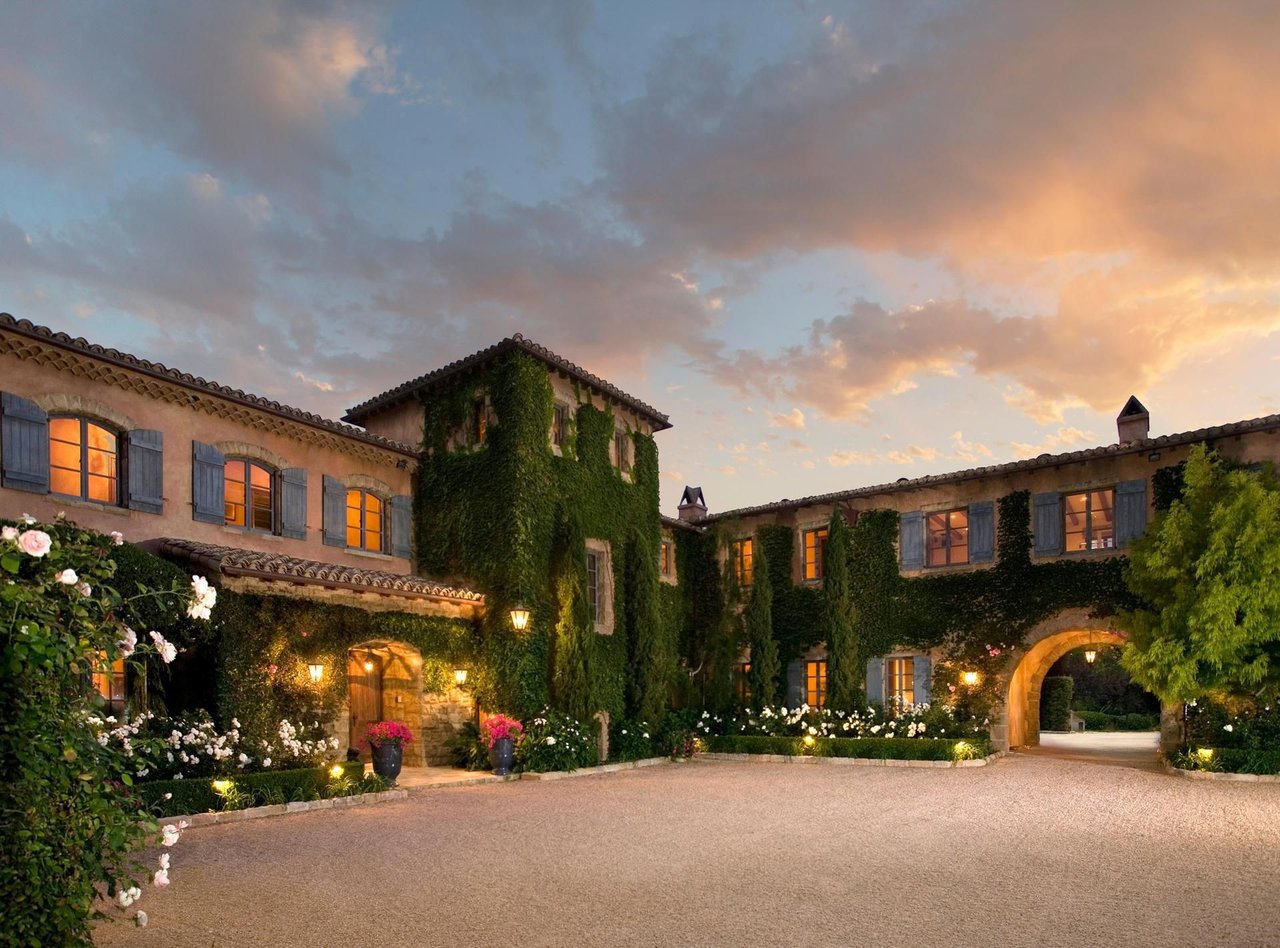
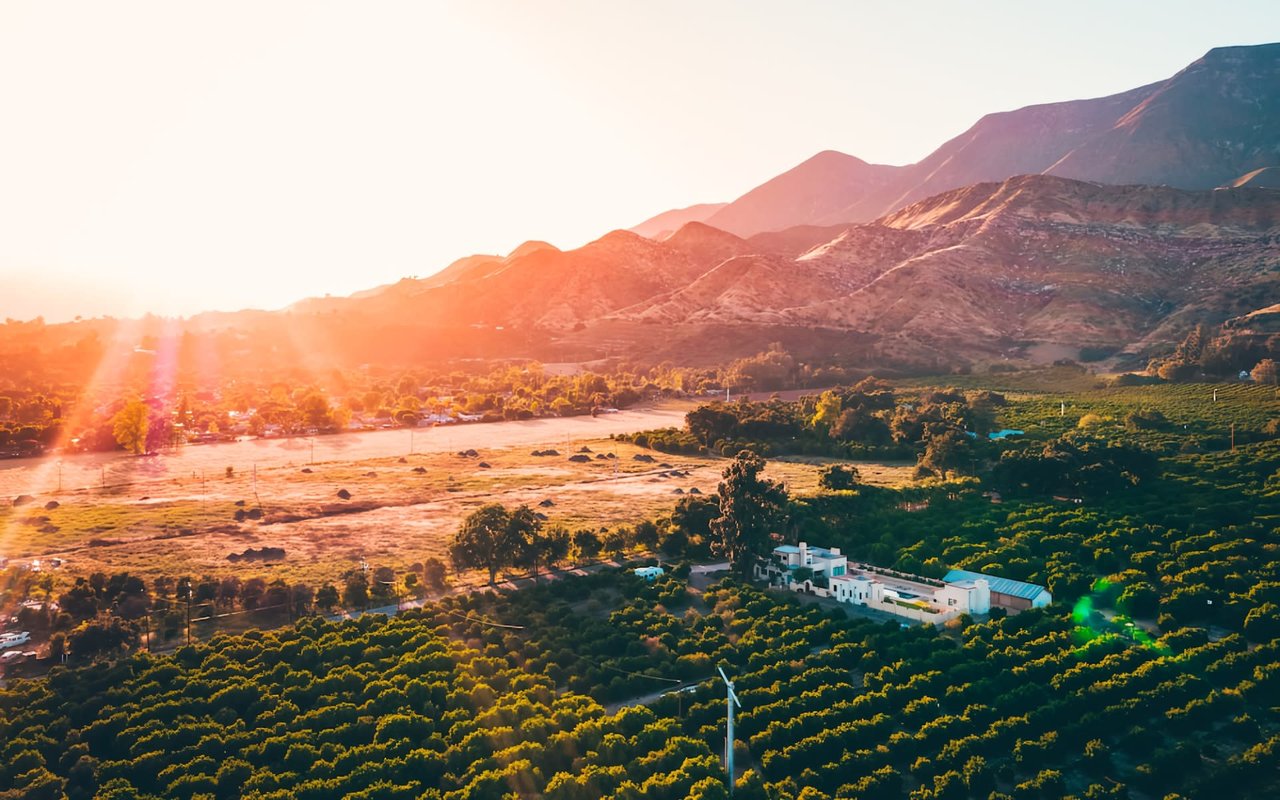
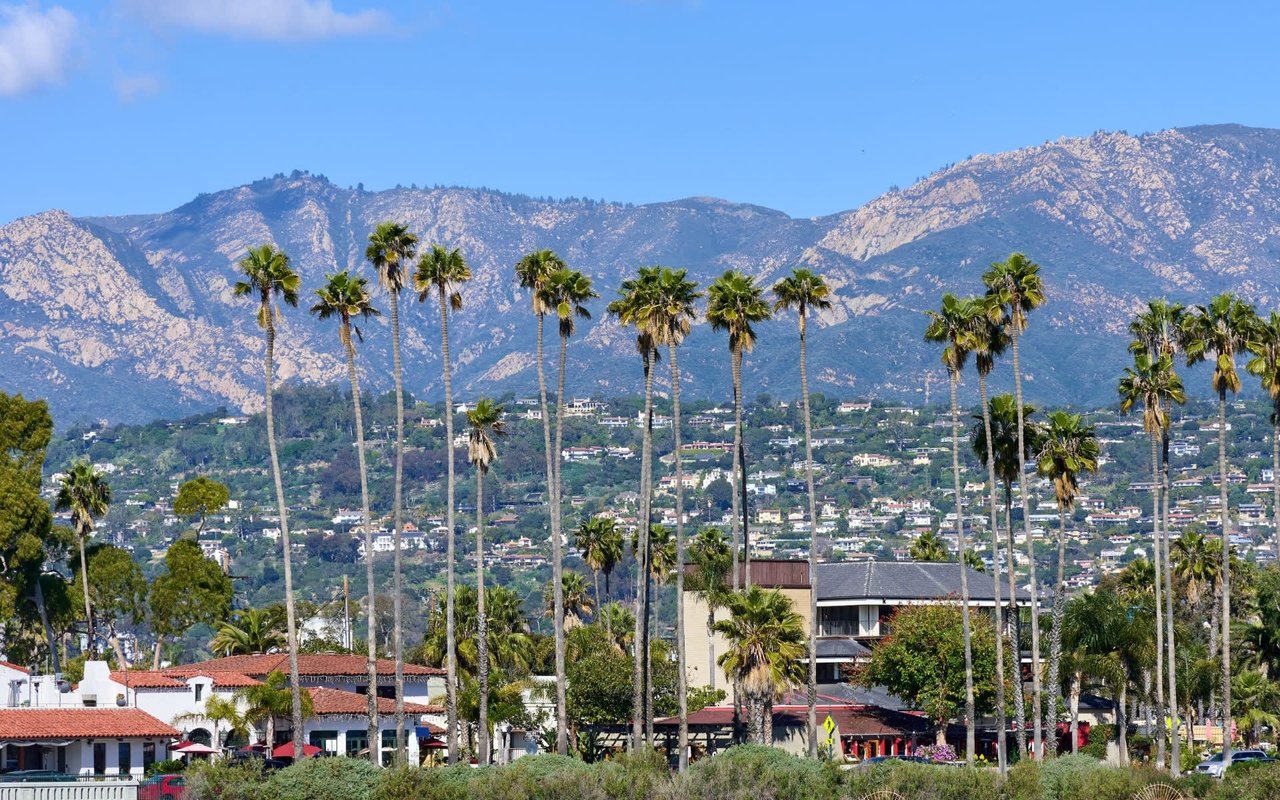
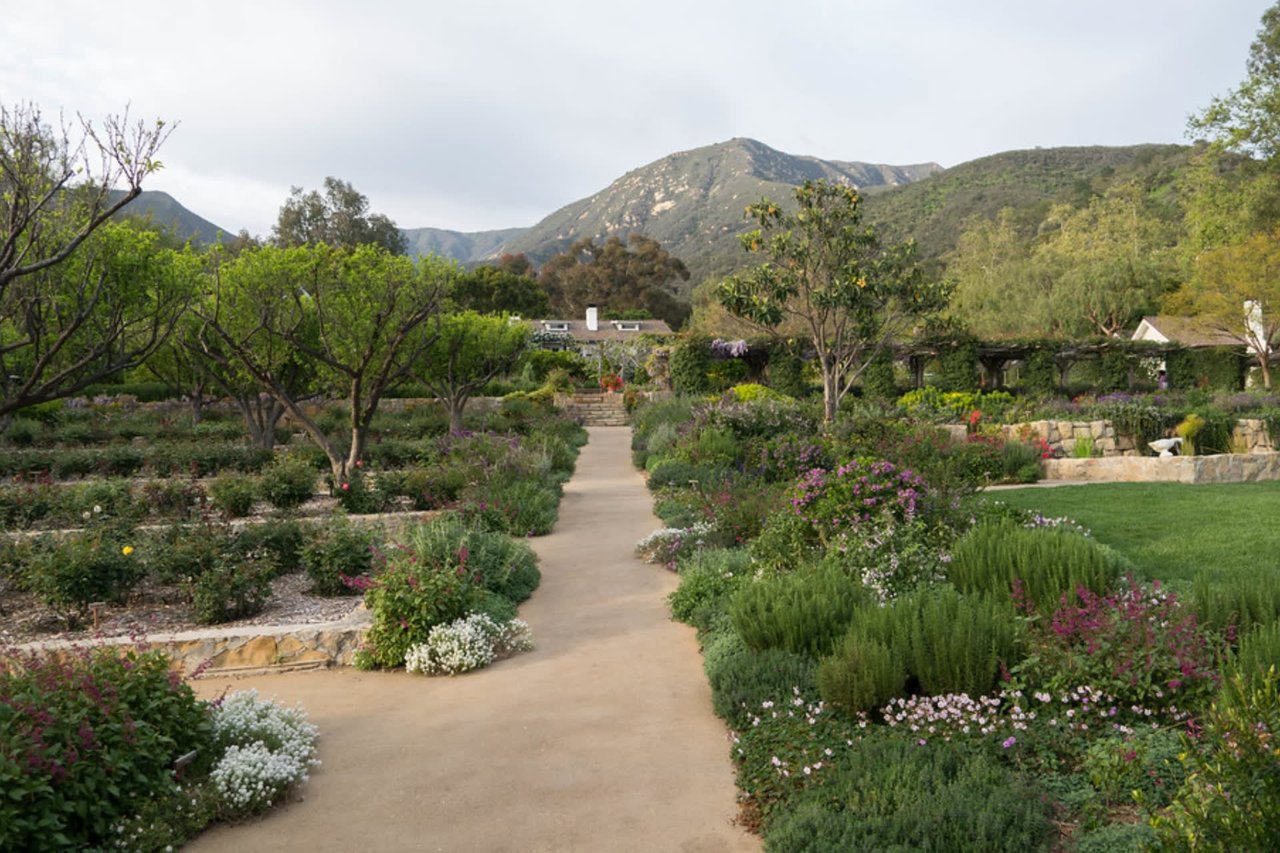
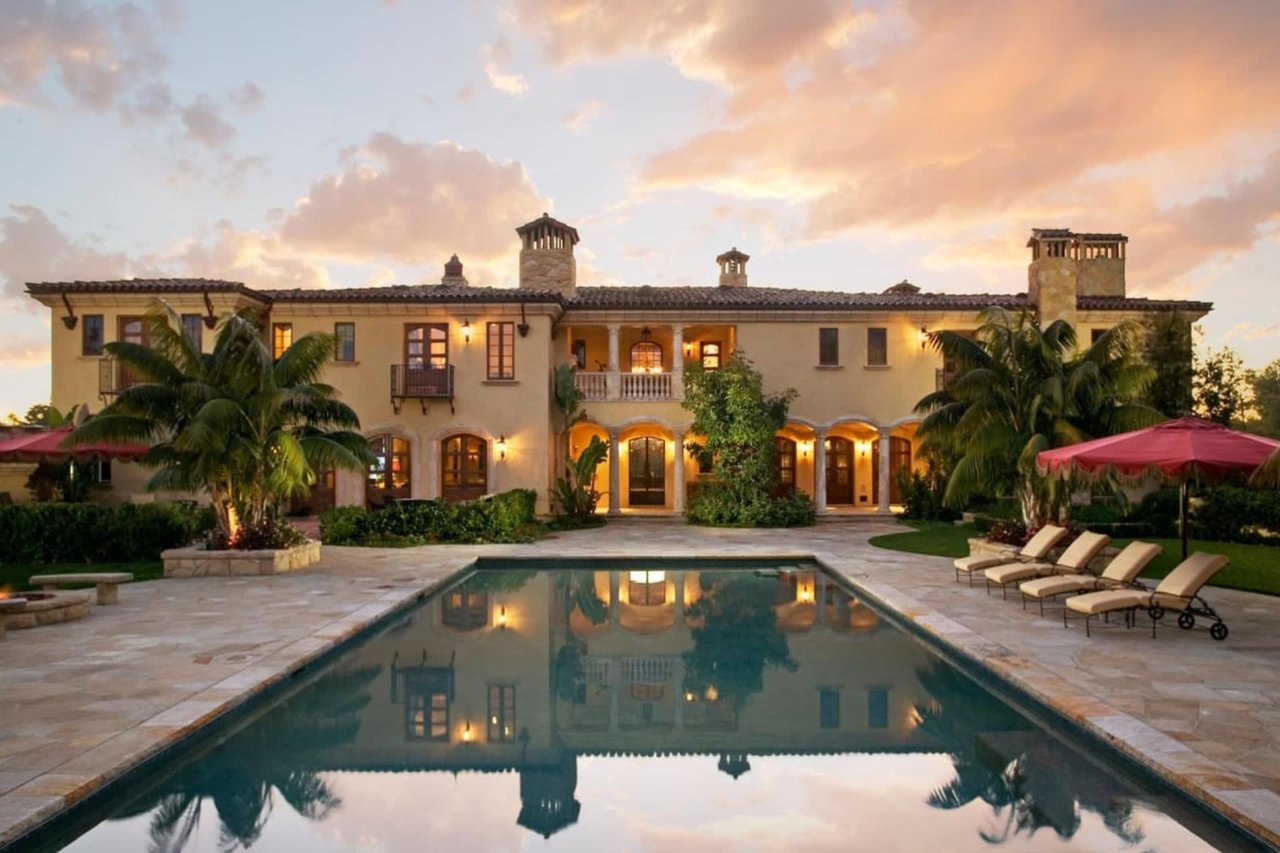
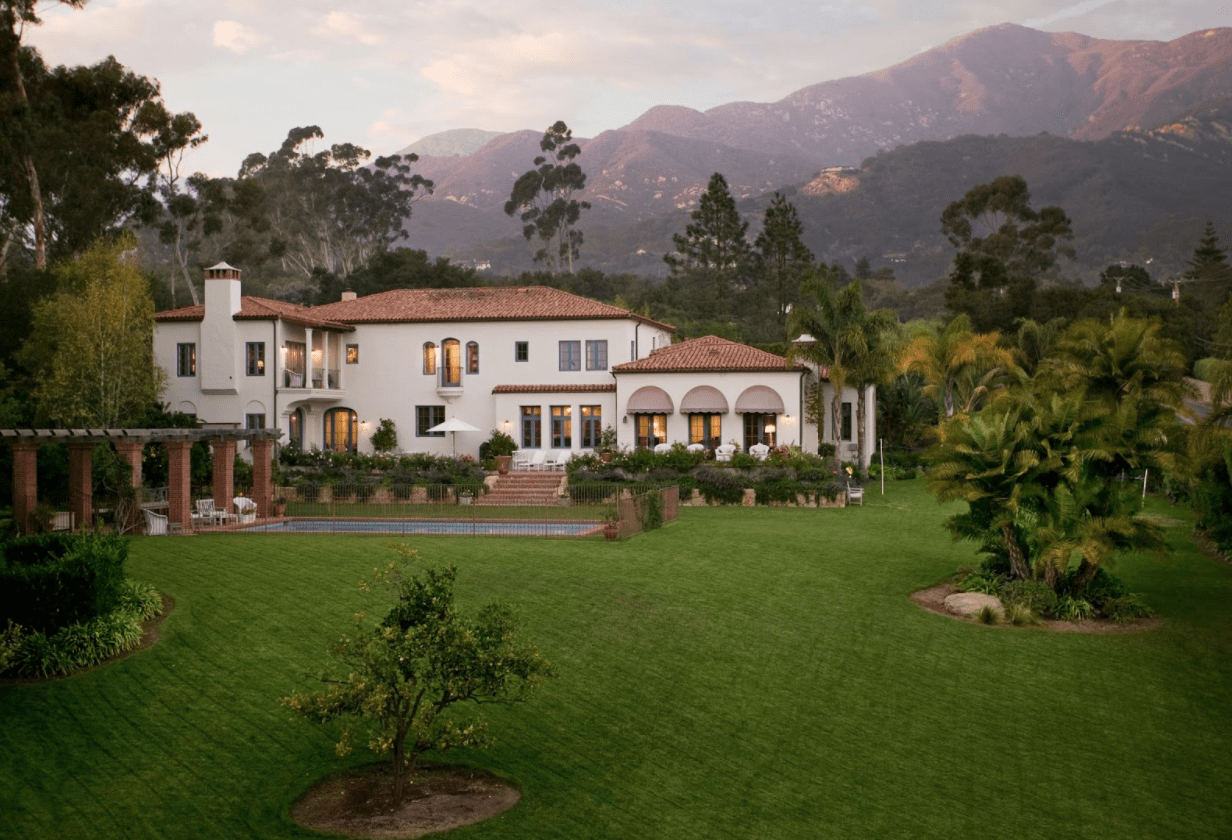
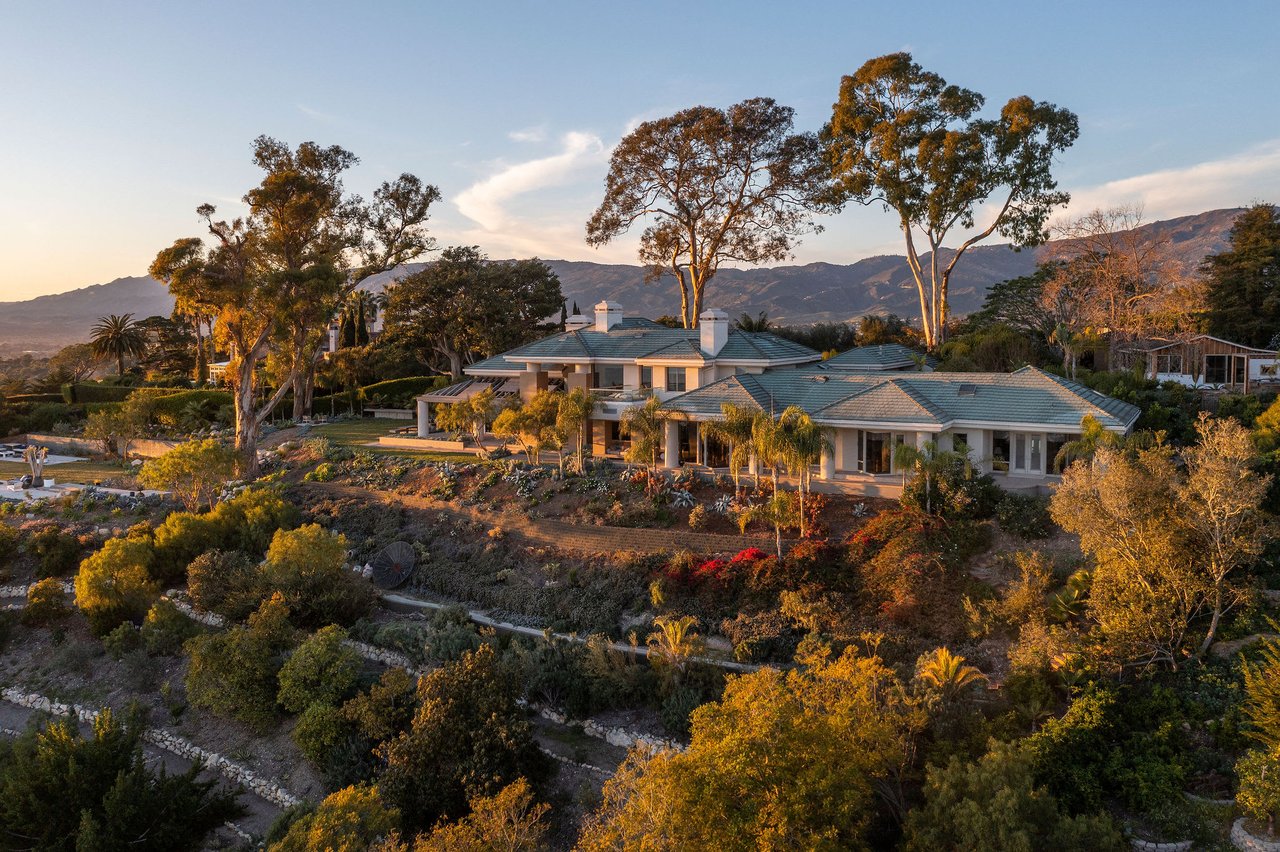
Hillside Montecito offers a different kind of luxury. In the Mountain sub-area, the defining qualities are steep terrain, open space, broader outlooks, and a greater sense of separation from the busier coastal edge.
The foothills are central to Montecito’s scenic identity. The Community Plan treats the backdrop of the mountainsides and the preservation of private and public views as a core community value.
If your ideal home life centers on privacy, quiet, and a more tucked-away setting, the hills often align more naturally with that goal. You may also be drawn to larger parcels, mature landscape, and long-range ocean-and-mountain vistas.
What daily life can feel like in the foothills
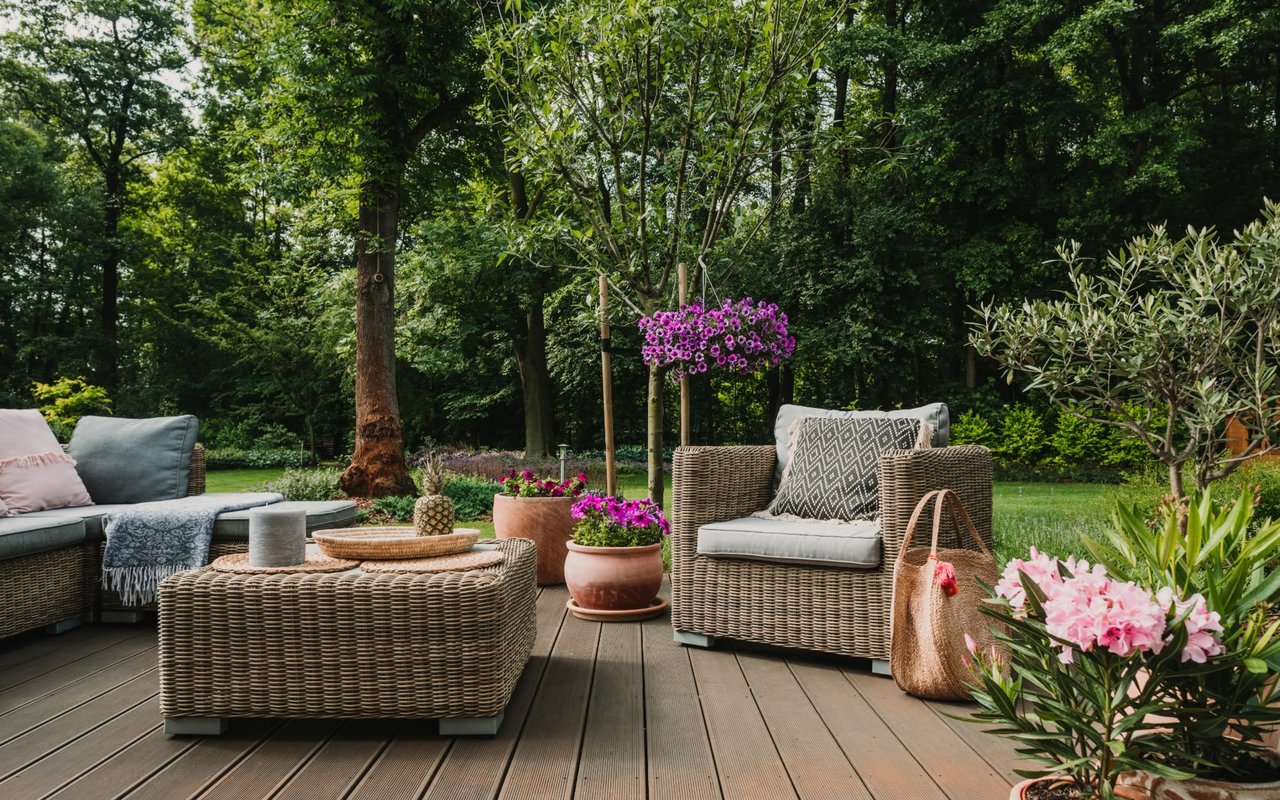
Hillside living often feels more inward and more private. Your home may be the destination, with outdoor rooms, gardens, terraces, and view corridors taking the place of a walk-to-everything routine.
That privacy comes with a slower, more car-oriented pattern. Even when a property looks close on a map, Montecito’s narrow winding roads, lack of sidewalks, and lack of traffic lights can make daily movement feel different from a compact urban neighborhood.
Hillside homes and lot patterns
The County plan describes the Mountain sub-area as largely open space, with very limited public road access and services. It also notes that this area remains primarily one unit per 40 acres.
That is a very different development pattern from the coast. In practical terms, buyers who want distance between homes, more land, and a quieter setting often find the foothills a better fit.
Views, climate, and setting
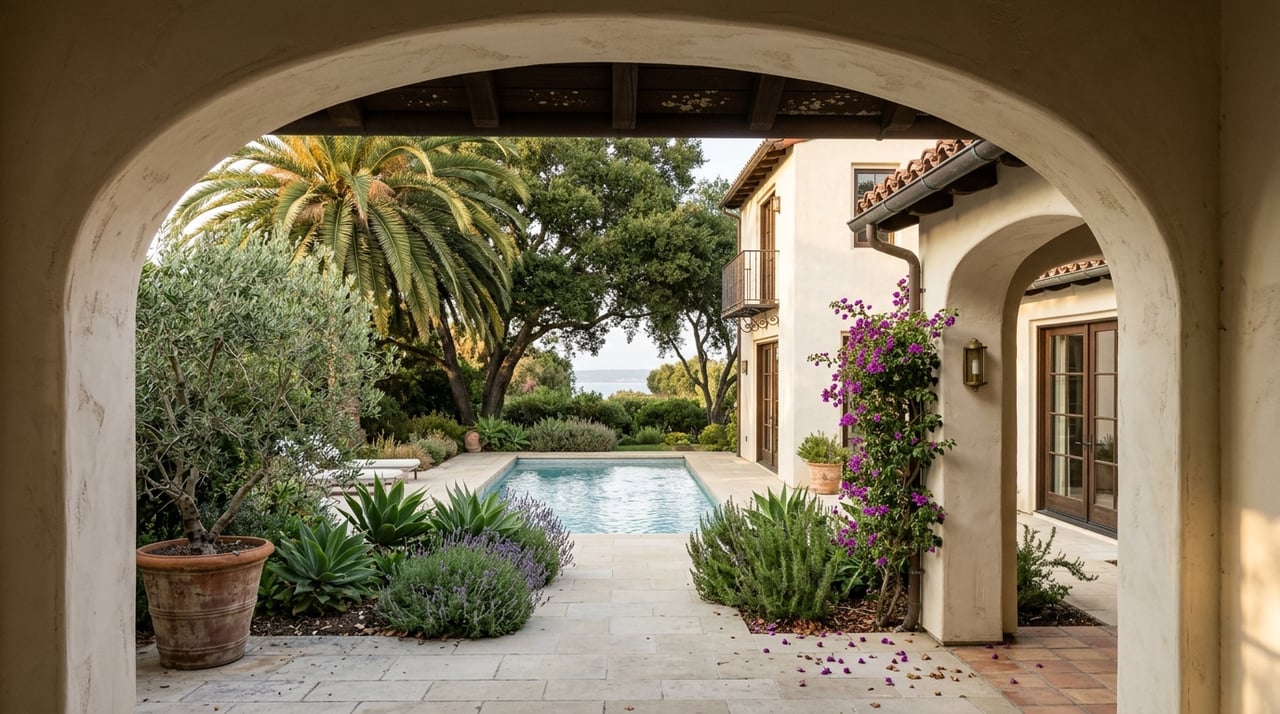
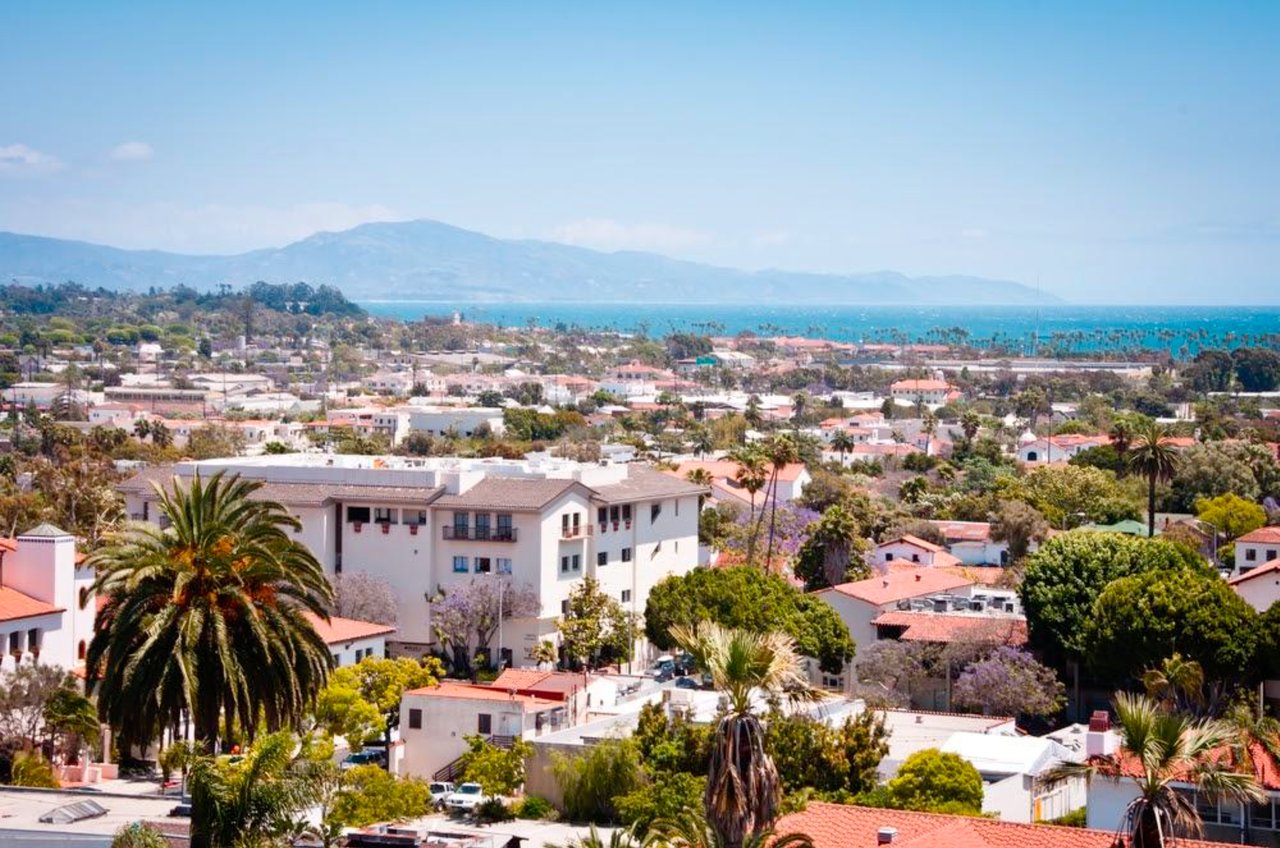
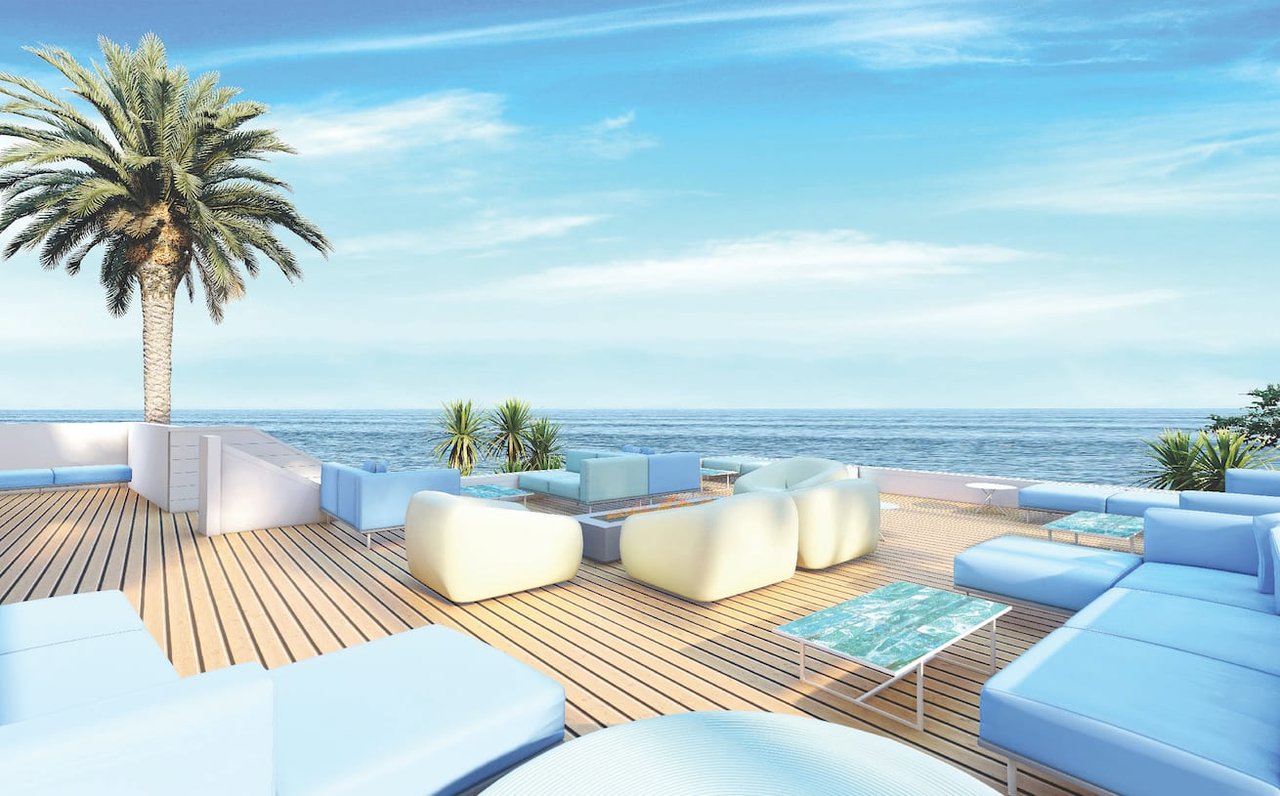
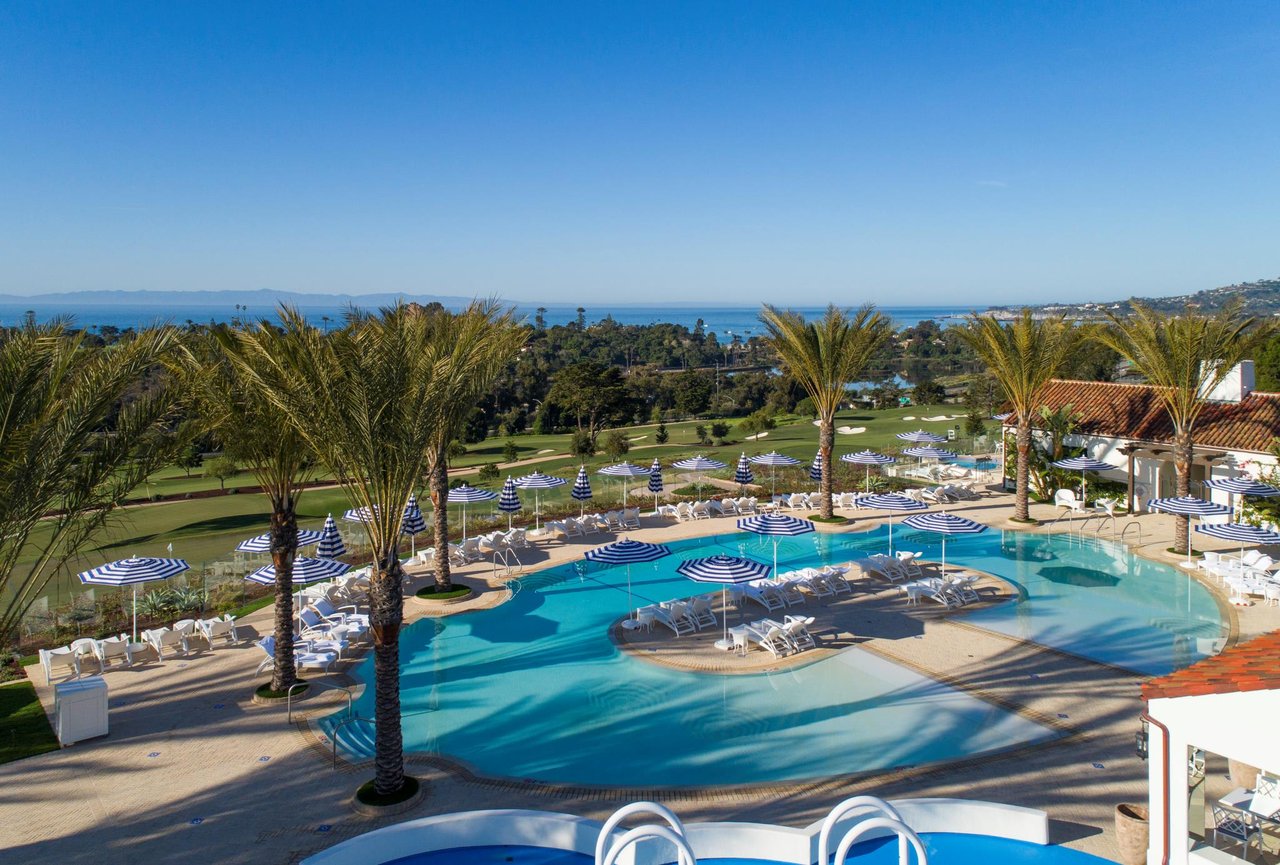
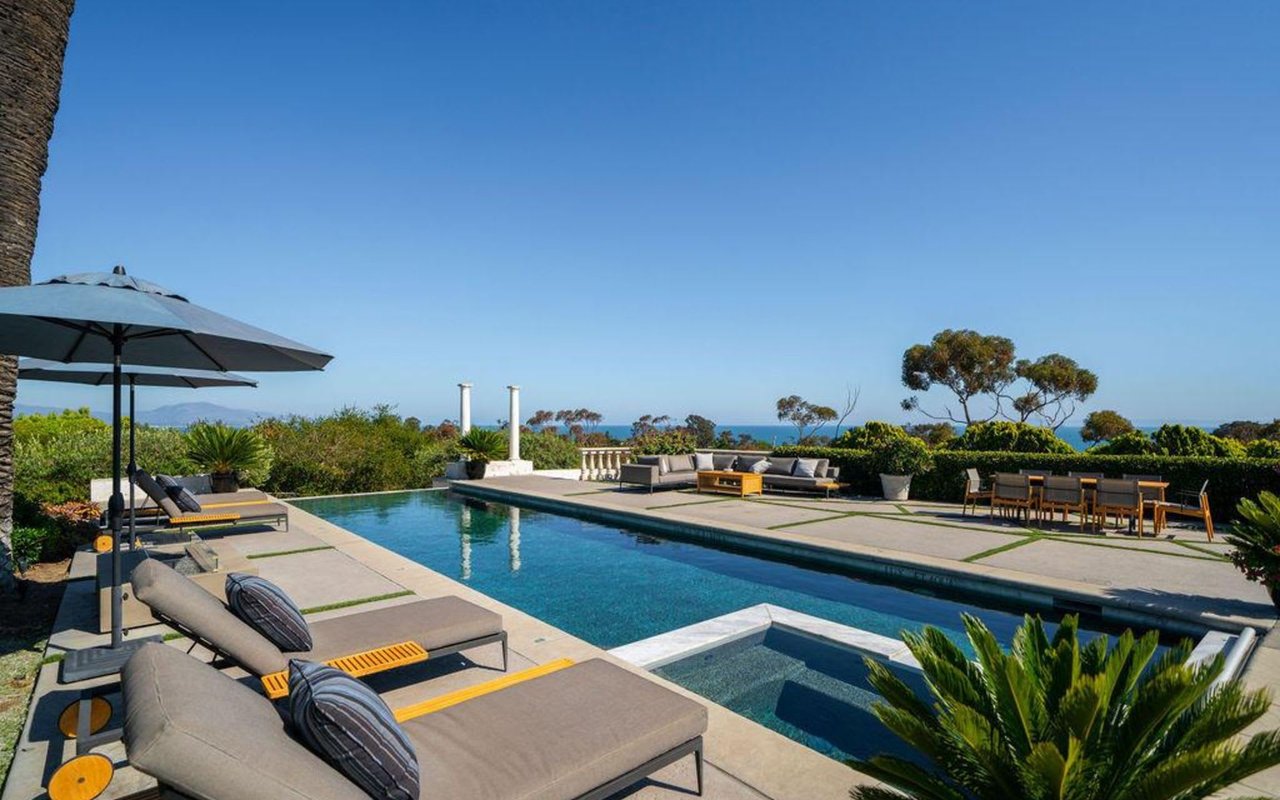
One of the biggest lifestyle differences comes down to what you want to see and feel every day. Beachside properties offer closeness to the shoreline and a strong connection to the water itself. Hillside homes often trade direct beach access for more expansive vantage points that can take in both the ocean and mountains.
Climate can vary subtly as well. NOAA’s nearby Santa Barbara climate station reports a 1991 to 2020 annual mean temperature of 62.5°F and annual precipitation of 18.98 inches. Within Montecito, it is reasonable to think of the coast as more marine-influenced and the hills as somewhat more elevated and sun-exposed, though that is a geographic inference rather than a parcel-specific measurement.
For some buyers, the deciding factor is simple. If you want to hear and feel the coast, beachside wins. If you want to look out across the landscape from a more secluded perch, the hills tend to have the edge.
Privacy and pace
Privacy is often where the contrast becomes clearest. The County’s planning goals for hillside areas emphasize preserving residential privacy and minimizing visual impacts through controls on size, mass, scale, grading, height, and lighting.
That planning approach aligns naturally with buyers who want discretion and a more sheltered residential feel. Homes in the foothills can offer a strong sense of retreat, especially for those who value quiet streets and a little more separation.
Coastal homes can absolutely be private, but the broader setting is more compact. It is also more connected to beach access, hotel activity, and the public-facing energy of the shoreline.
Convenience and walkability
If everyday convenience matters, location within Montecito matters as much as property style. The Village and Coast Village Road corridor are the most walkable pockets identified in the research, with shops, dining, boutiques, and the Country Mart grocery area helping support errands and outings close to home.
That tends to favor buyers who want a more social and connected routine. A beachside or lower Montecito location may make it easier to weave dining, coffee, shopping, or a beach walk into the same part of your day.
Hillside locations usually ask for more driving. That is not a drawback for everyone, but it is important to think honestly about how you want your week to work, not just how you want your home to look.
Property considerations and tradeoffs
Every Montecito setting has tradeoffs, and understanding them early can help you choose with more confidence. The right fit is often less about what sounds ideal in theory and more about which considerations feel manageable to you in real life.
Beachside considerations
Coastal properties sit within the Coastal Zone, where local coastal policies address issues such as beach access, recreation, the marine environment, sensitive habitat, and visual resources. The Coastal sub-area also includes flood hazard along Montecito Creek and Hot Springs Road.
Santa Barbara County Flood Control is actively developing a Montecito Flood Control Master Plan covering Montecito Creek, Oak Creek, San Ysidro Creek, Romero Creek, and tributaries. For buyers, that means coastal ownership can involve a closer look at flood conditions, local policy context, and site-specific due diligence.
Hillside considerations
Foothill and hillside properties involve a different set of issues. The Community Plan highlights faults, poor soils, steep slopes, fire hazard zones, hillside erosion, and the need to protect watershed function.
The plan also includes hillside-focused design standards related to grading, height, visual impacts, and privacy. In addition, the Montecito Fire Department maintains evacuation-zone and fire-hazard-severity maps for the community, which makes fire preparedness part of the ownership conversation in many hillside locations.
How to choose the right fit
The best choice usually comes down to how you want to live, not which setting sounds more prestigious. Both beachside and hillside Montecito can be exceptional, but they serve different priorities.
Here is a simple way to think through the decision:
- Choose beachside Montecito if you want quick access to the sand, a more connected day-to-day rhythm, and easier proximity to Coast Village Road and the Village area.
- Choose hillside Montecito if you value privacy, larger parcels, quieter surroundings, and broad view corridors more than walkable convenience.
- Favor the coast if your ideal day includes beach walks, dining out, and a more social setting.
- Favor the foothills if your ideal day centers on home, landscape, seclusion, and a more tucked-away atmosphere.
- Look closely at property oversight in either setting, since coastal and hillside homes come with different planning and site considerations.
In practice, many buyers know the answer once they spend time in both environments. One feels energizing and immediate. The other feels quiet and removed. Your best fit is the one that matches your daily habits as much as your long-term vision.
Whether you are drawn to Montecito’s shoreline or its foothill estates, nuance matters here. If you want thoughtful, highly local guidance on how a specific property and setting align with your goals, Solakian Partners can help you navigate the choice with discretion and clarity.
FAQs
What is the main difference between beachside and hillside living in Montecito?
- Beachside Montecito is generally tied to shoreline access, a more connected coastal routine, and denser development, while hillside Montecito is typically defined by steeper terrain, larger parcels, broader views, and more privacy.
Is beachside Montecito more walkable than hillside Montecito?
- In general, yes. The Village and Coast Village Road corridor are Montecito’s most walkable areas, while much of the broader community has narrow winding roads, few sidewalks, and no traffic lights, making hillside locations more car-dependent.
Are hillside homes in Montecito usually more private?
- In many cases, yes. The County’s planning framework for hillside areas places strong emphasis on preserving residential privacy, minimizing visual impacts, and managing grading, lighting, and building scale.
What should buyers know about beachside property conditions in Montecito?
- Buyers should understand that coastal properties are within the Coastal Zone and may require close review of local coastal policies, visual-resource considerations, beach-access context, and flood-related factors in certain areas.
What should buyers know about hillside property conditions in Montecito?
- Buyers should pay attention to steep slopes, soils, erosion, fire-hazard context, watershed considerations, and hillside design standards that can affect how a property is used, improved, or maintained.
Which Montecito setting is better for views?
- It depends on the type of view you want. Beachside homes offer closeness to the shoreline, while hillside properties often provide broader ocean-and-mountain outlooks from a higher vantage point.