In real estate, decisions are rarely based on logic alone. Beneath every budget, showing, and negotiation lies a complex mix of emotions, expectations, and subconscious drivers that influence whether buyers feel ready to commit. Understanding home buyer psychology empowers agents and sellers to present homes in ways that resonate deeply, creating confidence, comfort, and clarity from the very first impression.
First Impressions and Instant Judgments
Home buyers often form a powerful gut reaction within seconds of entering a property, and this snap judgment shapes everything that follows; factors like natural light, curb appeal, scent, and spatial flow create an immediate emotional tone, and when those initial cues feel warm, open, and inviting, buyers begin searching for reasons to say yes rather than reasons to walk away.
The Power of Emotional Visualization
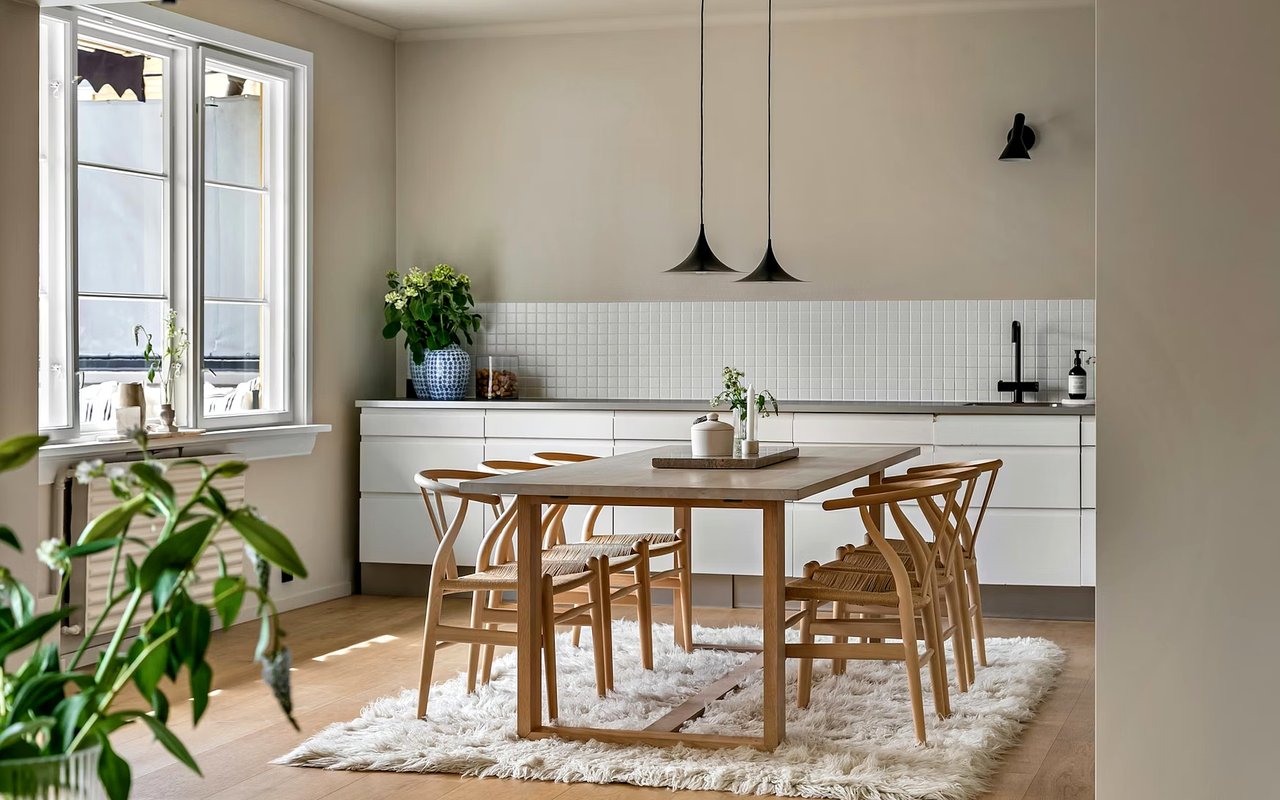
Buyers say yes when they can vividly imagine their future unfolding within the home, and this emotional visualization is strengthened by clean staging, simple yet evocative décor, and purposeful spaces that allow them to picture daily routines, special gatherings, and long-term possibilities with ease.
The Need for a Sense of Safety and Stability
A home represents security on multiple levels, and buyers instinctively seek reassurance that a property offers physical safety, neighborhood stability, and financial soundness, all of which soothe underlying anxieties and reinforce their confidence in making such a significant life investment.
The Influence of Social Proof and External Validation
Home buyer psychology is shaped by subtle social influences, including how desirable a property appears to others, and factors like competitive interest, positive agent remarks, neighborhood reputation, and testimonials help buyers feel validated in their attraction to a home by confirming that their instincts align with broader approval.
The Desire for Identity Alignment
Many buyers gravitate toward homes that reflect the lifestyle or personal identity they aspire to, which means features like architectural style, neighborhood culture, and interior design cues can make a home feel like an extension of who they are—or who they want to become—thereby strengthening emotional attachment.
The Impact of Clarity and Reduced Cognitive Load
Buyers tend to say yes when they can make sense of key property details without confusion, and agents who clearly explain systems, improvements, disclosures, and comparable sales reduce cognitive load, enabling buyers to process information more comfortably and feel fully supported in their decision-making.
The Appeal of Scarcity and Urgency
Scarcity is a strong psychological motivator, and when buyers perceive that a home is unique, in high demand, or unlikely to remain available long, they experience a heightened sense of opportunity that can accelerate commitment and reinforce the feeling that the home is particularly special or valuable.
The Role of Comfort and Emotional Ease
Emotional ease is one of the most underestimated drivers of buyer decisions, and when the showing experience feels relaxed, positive, and pressure-free, buyers feel more open, receptive, and grounded, which allows them to explore the home’s potential without emotional barriers or distractions.
The Pull of Aspirational Features
Buyers often respond intensely to aspirational features—those elements that evoke a sense of elevated living—such as high ceilings, premium finishes, impressive views, or luxurious outdoor spaces, which act as emotional anchors that magnify the home’s perceived value and create enduring excitement.
The Importance of Functionality and Practical Fit
While emotion initiates interest, practicality helps secure the final yes; buyers evaluate whether the home’s layout, size, storage, and overall functionality align with their daily life, and when emotional attraction meets practicality, the balance creates a powerful sense of long-term compatibility.
Trust in the Agent and the Process
Home buyers feel more confident committing when they trust the professional guiding them, and a knowledgeable, transparent, and empathetic agent reduces emotional tension, clarifies uncertainties, and cultivates an atmosphere where buyers feel understood, respected, and ready to move forward.
Financial Psychology and Perceived Value
Perception of value is deeply psychological, and buyers assess whether a home feels worth its cost based on a blend of market data, emotional resonance, and intuitive impressions of quality, and when the perceived value surpasses the financial sacrifice, saying yes becomes a gratifying decision rather than a stressful one.
The Comfort of Predictability and Low Maintenance
The desire for predictability makes buyers gravitate toward homes requiring minimal surprise repairs or overwhelming upkeep, and properties that project reliability through recent updates, well-maintained systems, and clear documentation appeal strongly to buyers who hope to begin their new chapter with confidence rather than uncertainty.
Subtle Sensory Triggers and Emotional Memory
Sensory elements—like lighting, warmth, sound, texture, and even certain scents—activate emotional memory that influences how buyers feel within a space, and when the sensory experience aligns with comfort and familiarity, the home becomes not just visually appealing but emotionally reassuring.
The Impact of Narrative and Storytelling
A compelling narrative helps buyers connect the dots between features and lifestyle, and when agents or sellers share stories about the home’s unique character, past moments, or potential future enjoyment, buyers begin to view the property not simply as a structure but as a living backdrop to meaningful experiences.
Why Buyers Ultimately Say Yes
Ultimately, buyers say yes when a property fulfills both their emotional desires and practical needs in a way that feels aligned, secure, and inspiring, and when the home’s atmosphere, features, and potential coalesce into a vision of a better life, that sense of possibility becomes the final and most powerful motivator in the decision-making process.
Partner with Experts Who Understand Buyer Psychology
A deep understanding of buyer behavior can transform the real estate journey, and the team at Randy Solakian Estates Group excels at guiding clients through decisions with clarity, confidence, and insight; by blending market expertise with a nuanced understanding of emotional drivers, their team ensures each client feels supported, informed, and empowered. Whether buying or selling, their strategic approach helps clients navigate important choices with exceptional ease and success.